


Plant Identifier & Plant Care
4.3933.00 Reviews
App Specs
- Version
- 4.4.0
- Updated On
- License
- Free
- Downloads
- 1,000,000+
- Developer
- Braly JSC
- Categories
- Education
- Platform
- Android
Screenshots
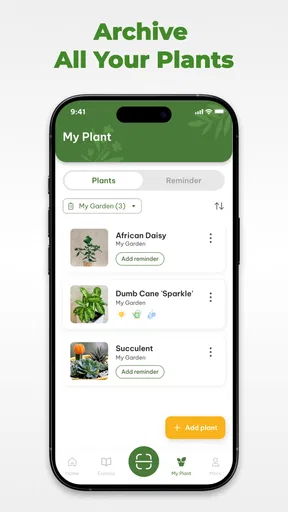
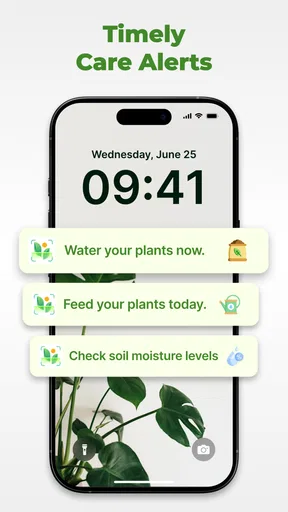
 Analysis by AppCompare
Hey there, fellow plant enthusiasts! If you’re like me and have a bit of a green thumb—or at least aspire to have one—you’ve probably found yourself wondering what that curious plant in your neighbor’s yard is called, or how to stop your beloved fern from wilting away. Enter the Plant Identifier & Plant Care app, your new best friend in the botanical world. I've been using this app for a while, and let me tell you, it’s a game-changer for anyone who wants to turn their home into a lush, green paradise.
I find it most useful when curiosity and a practical care question arrive together. A label can tell me a plant’s name, but it does not necessarily help me understand what to do next; an identification paired with care guidance gives me a more useful starting point. I still treat the result as a clue to investigate, especially when a plant is unfamiliar or showing symptoms that could have several causes.
A useful first check, not a final diagnosis
For a good identification attempt, I take a clear photograph of the plant and try to include the features that distinguish it: leaves, their arrangement, and, when present, a flower or fruit. A close-up of one damaged leaf may be less informative than a view that also shows the plant’s overall shape. If the result seems surprising, I take another photo from a different angle rather than acting on the first suggestion immediately. That small habit is valuable with look-alike species and plants photographed in poor light.
This approach also helps explain when an app is the wrong tool. A photo-based answer cannot replace an expert’s examination when a plant may be poisonous, when a disease is spreading quickly, or when a valuable outdoor specimen is at risk. I would use the app to narrow down possibilities, then check a trusted gardening source or ask a knowledgeable local gardener before taking consequential action.
Getting Started with Plant Identification
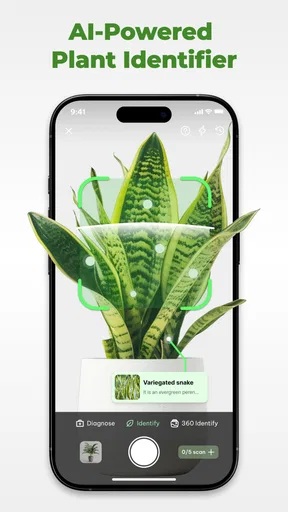
Let’s dive in, shall we? The first thing you’ll notice when you fire up the app is its sleek, user-friendly interface. It’s super intuitive, making it perfect for both tech-savvy users and those who might need a little help navigating apps. The app’s main feature, as the name suggests, is its plant identification capability. With just a quick snap of your camera, Plant Identifier & Plant Care can recognize thousands of plant species. It’s like having a botanist in your pocket!
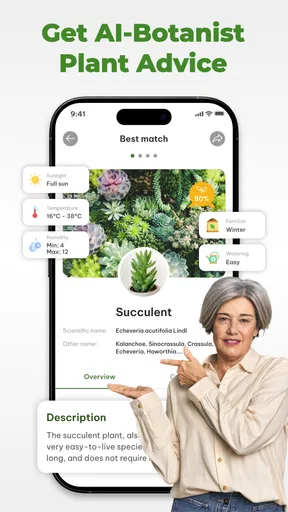
The accuracy is pretty impressive. I’ve tested it out on a variety of plants, from my simple indoor succulents to the more exotic blooms at the local botanical garden, and it nailed them almost every time. The app doesn’t just stop at identification; it provides detailed information about each plant, including its scientific name, care tips, and even its origin. This is super useful if you’re trying to expand your plant knowledge or just want to impress your friends with some fun facts.
When I’m comparing a suggested identity with what I see, I pay attention to whether the care guidance makes sense for the plant’s condition and setting. A plant growing indoors near a window may need a different routine from one outdoors in a shaded bed, even if both share a name. I also avoid changing several parts of a care routine at once. If I adjust watering, light, and feeding together, it becomes hard to tell which change helped—or caused a new problem.
Worth Reading Before You Choose

EA SPORTS FC Mobile 26 Is a Bigger Football Game, but It Takes Time

Flipboard Shows What News Apps Must Do Beyond the Feed

Switching to Android Auto Means Rethinking Your Driving Routine

Google Calendar Makes a Crowded Week Easier to Manage

Ludo King Makes the Most of the Minutes Between Plans

Baby Panda World Brings Quick Play to Modern Phones, but Its Game Library Feels Busy
That makes the app particularly handy for a realistic everyday moment: I bring home an unlabeled plant from a garden shop, take a picture before choosing a spot for it, then use the care information to decide what questions to ask and what conditions to check. Instead of guessing from appearance alone, I can learn its likely name and research its needs before placing it beside plants with very different preferences. I would still watch how it responds over the following days, because a guide is a starting point rather than a guarantee for every home.
Plant Care Made Easy
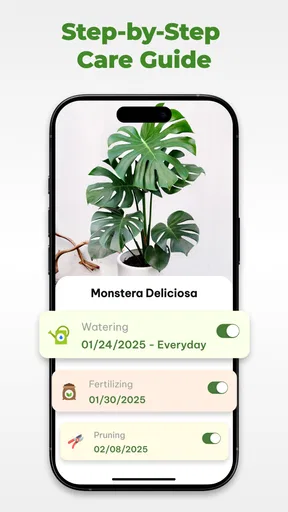
Now, onto the care section, which is where the app really shines. We all know that keeping plants alive and thriving can be a bit of a challenge, especially if you’re juggling a busy schedule. Luckily, the Plant Identifier & Plant Care app offers personalized care reminders for watering, fertilizing, and more. You can set it up to receive notifications based on the specific needs of your plants, so no more overwatering or forgetting to feed them.
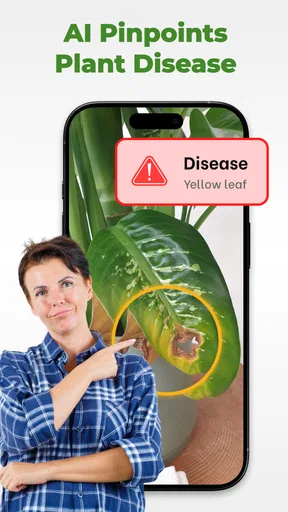
The app also includes tips for dealing with common plant problems, like pests and diseases. I found this particularly handy when my fiddle leaf fig started showing some mysterious brown spots. Thanks to the app, I quickly identified the issue and got my plant back to its usual healthy self.
Reminders work best for me as prompts to inspect a plant, not commands to water it automatically. Soil can stay damp longer in a cool room, while a pot in a bright, warm spot may dry faster, so I check the soil and the plant before following a notification. This is a useful trade-off: reminders can make care more consistent, but a fixed schedule can encourage overwatering if I stop paying attention to actual conditions.
When a plant looks unwell, I use the problem guidance to organize my observations. I note which leaves changed, whether the damage is new, and whether the plant has recently moved or had a change in care. That gives me a more sensible way to compare possible causes than treating every brown mark as the same issue. If symptoms continue or worsen, I would not rely on an app alone; diagnosis from a photo can be uncertain, and pest or disease treatment needs to suit the actual cause.
For someone with only one or two plants, setting up reminders may feel like more work than simply checking them during a weekly routine. I see more value when different plants need attention at different times and I’m likely to forget a task. The practical benefit is not that the app removes judgement, but that it can help me remember what to check and learn the vocabulary to describe what I see.
Community and Additional Features
One of the coolest aspects of the app is its community feature. You can join a vibrant community of plant lovers to share tips, ask questions, and even show off your plant babies. It’s like having a virtual garden club at your fingertips. This feature adds a social element to the app, making it not only informative but also interactive.
Additionally, the app offers a plant journal feature, allowing you to track the growth and changes of your plants over time. It’s a fantastic way to document your plant journey and make notes on what works best for your green friends.
I would use the journal for observations that are easy to forget: when a new leaf appeared, whether a plant was moved, and what changed in its care. A dated note beside a photo can help me distinguish a slow, gradual change from a sudden one. That record is more useful than relying on memory when I’m trying to work out whether a plant improved after a change in light or continued to decline.
The community can add perspective, but I treat shared advice as experience rather than a universal rule. Other growers may have different climates, potting mixes, and indoor conditions. If I ask for help, I would include clear photos and explain where the plant grows and what has changed; vague questions invite vague answers. For a precise identification or a serious plant-health concern, the community is a supplement, not a substitute for expert guidance.
Cost, access, and what the value depends on
This is a free education app from Braly JSC, and its age rating is Everyone. The free entry point makes it easy to try for casual identification or to see whether its care approach suits your routine. There are also in-app purchases, with listed item prices ranging from $2.99 to $64.99. I would check what a specific purchase includes and whether it is recurring before paying; the range alone does not tell me which option is best value for my needs.
For someone who regularly identifies plants, wants care prompts, and will use the journal, the app may bring several related tasks into one place. That convenience is the strongest case for spending anything beyond free access. If I only need to identify a single plant, a free image search, a local gardening group, or a reference book may be enough. Those alternatives can also be preferable when I want to compare several sources instead of relying on one identification result.
Its reach suggests that many people have found a reason to try it: the app has over a million installs, around five thousand ratings, and a 4.3 average. It has 793 written reviews. Those figures are useful context, not proof that every identification will be right for my plant or that every paid option will suit me. I would judge value by how often I return to the care tools, not by popularity alone.
The current version is 4.4.0, and the app requires Android 7.0 or later. It was released on May 30, 2024. If I’m choosing between this and a basic camera search, I’d favor the app when I want identification connected to ongoing care and record-keeping. A general image search is often simpler for a one-off curiosity, while a human expert is a better choice when an incorrect answer could lead to unsafe handling or damaging treatment.
Who is likely to get the most from it?
I’d recommend giving it a try if you’re building confidence with houseplants, often come across unfamiliar flowers or trees, or want one place to keep care notes. It can also help a household where several people look after the same plants: a shared record of changes and reminders can make handoffs less dependent on memory. For a beginner, learning the scientific name and reading care guidance can turn a vague “this plant looks unhappy” into a more focused question.
On the other hand, experienced gardeners who already have a reliable reference system may not need another place for routine notes. People looking for guaranteed diagnosis should also be cautious: a photo-based suggestion is not a lab test or a professional inspection. And if notifications feel distracting, a calendar or a simple handwritten schedule may be a better fit. The right choice depends on whether the app’s combination of identification and care information genuinely reduces effort for you.
Wrapping It Up
In summary, the Plant Identifier & Plant Care app is a must-have for anyone looking to enhance their plant knowledge and care routine. Whether you’re a seasoned gardener or just getting started, this app provides invaluable tools to help your plants thrive. Its combination of identification, personalized care reminders, and community interaction makes it stand out in the world of plant apps.
So, if you’re ready to transform your home into a verdant oasis, I highly recommend giving this app a try. You’ll be amazed at how much you can learn and how much easier it is to keep your plants happy and healthy. Happy gardening!
My recommendation is strongest for curious beginners and plant owners who benefit from having identification, reminders, and observations together. I’d start with the free access, test it on plants I already know, and compare the suggestions with what I can observe before relying on it for a new plant. If it fits naturally into my routine, the extra guidance may be worthwhile; if I only need an occasional name or want certainty about a serious problem, a simpler reference or a human specialist is the better choice.
Pros
- Accurate plant identification with AI technology.
- Comprehensive plant care tips included.
- User-friendly interface for easy navigation.
- Offline mode for identifying plants anywhere.
- Regular updates with new plant species.
Cons
- Limited free features; subscription required.
- Occasional misidentification for rare plants.
- High battery usage during identification.
- Requires internet for advanced features.
- Ads can be intrusive in the free version.
FAQs for Plant Identifier & Plant Care
What features does the Plant Identifier & Plant Care app offer?
The Plant Identifier & Plant Care app provides a comprehensive plant identification system using advanced image recognition technology. Users can simply take a picture of a plant to gain detailed information about it, including care tips, watering schedules, and growth requirements. The app also offers a plant journal to monitor plant health over time.
Is the Plant Identifier & Plant Care app free to use?
The app offers a free version with basic identification features and limited care tips. For more advanced options, such as detailed guides and personalized plant care advice, users can subscribe to a premium version. This subscription provides an ad-free experience and access to the full range of features.
How accurate is the plant identification feature in the app?
The plant identification feature uses state-of-the-art image recognition algorithms to provide high accuracy. However, accuracy can be influenced by photo quality and environmental factors. For best results, users should ensure good lighting and clear images. The app continually updates its database to improve identification accuracy.
Can the app remind me of my plant care schedule?
Yes, the app includes a customizable reminder system that alerts users about watering, fertilizing, and other plant care tasks. Users can set reminders based on their plant’s specific needs, ensuring optimal growth and health. Notifications can be adjusted according to user preferences for convenience.
Is the app suitable for beginners in plant care?
Absolutely. The Plant Identifier & Plant Care app is designed to be user-friendly for beginners. It provides easy-to-understand instructions and tips on plant care basics. The app also includes a community forum where users can ask questions and share experiences, making it a great resource for learning.


